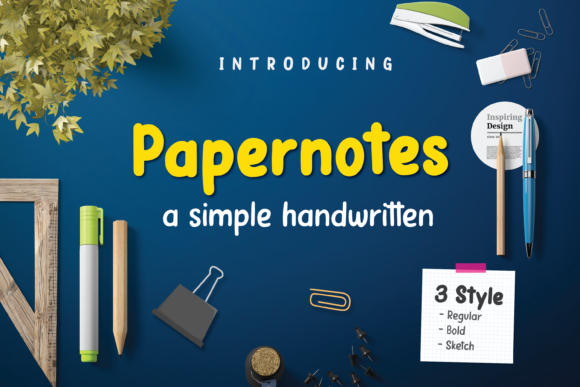
Papernotes: The Handwritten Font That Elevates Your Projects
When it comes to typography, the right choice can make all the difference. Whether you're designing a logo, crafting a greeting card, or creating content for your brand, the visual appeal of your text plays a critical role in how your message is received. Enter Papernotes, a beautifully handcrafted handwritten font that brings warmth, personality, and character to any project. But like any design tool, using Papernotes effectively requires more than just downloading it—it involves understanding its strengths, limitations, and best practices.
What Is Papernotes?
Papernotes is a unique typeface designed to mimic the natural flow of handwriting. It features elegant curves, subtle flourishes, and a charming irregularity that makes each letter feel alive. Unlike standard fonts, Papernotes isn’t just about aesthetics—it’s about creating a sense of authenticity and connection with your audience. This font is particularly popular among designers, educators, and creatives who want to add a personal touch to their work.
Its versatility allows it to be used in a wide range of applications—from invitations and social media posts to branding materials and educational resources. However, many users overlook the nuances of how to properly use Papernotes, which can lead to suboptimal results.
Common Mistakes When Using Papernotes
While Papernotes is a powerful tool, there are several common mistakes people make when incorporating it into their designs. Understanding these can help you avoid pitfalls and maximize the font’s potential.
- Overusing Papernotes: Applying this font to every element of a design can dilute its impact. Papernotes works best in moderation—use it as an accent or highlight rather than as a primary text style.
- Ignoring Readability: Because Papernotes is a handwritten font, it may not be as legible at smaller sizes. Always test the font in different contexts to ensure clarity.
- Not Matching the Tone: Papernotes has a warm, friendly vibe. If your project requires a more professional or formal tone, this font might not be the best fit.
- Using It Without Context: A font alone doesn’t tell a story. Consider how Papernotes fits into the overall design and whether it supports the message you want to convey.
How These Mistakes Can Affect Your Work
Misusing Papernotes can lead to several issues. Overuse may make your design look cluttered or unprofessional. Poor readability can frustrate readers and reduce engagement. Mismatching the font with the tone of your project can confuse your audience and weaken your message. Ultimately, these errors can affect the quality of your work and the satisfaction of your audience.
How to Use Papernotes Effectively
To get the most out of Papernotes, consider the following practical tips:
- Use It Sparingly: Save Papernotes for headlines, titles, or call-to-action buttons. Let other fonts handle the body text for better readability.
- Test at Different Sizes: Ensure the font looks good in both large and small formats. Adjust spacing and line height if needed.
- Pair Thoughtfully: Combine Papernotes with a clean, modern sans-serif font for contrast and balance. This creates a visually appealing and functional design.
- Consider the Audience: Think about who will be viewing your design. A handwritten font like Papernotes may resonate more with younger audiences or those who appreciate a personal touch.
- Use It Intentionally: Every design decision should serve a purpose. Ask yourself whether Papernotes enhances the message or distracts from it.
Realistic Examples
Imagine you’re designing a wedding invitation. Using Papernotes for the title adds a romantic, hand-written feel that complements the theme. However, if you apply it to the entire invitation, including the details, the text may become difficult to read. Instead, use it for the header and pair it with a simple sans-serif font for the body.
Another example: a blog post about handmade crafts. Papernotes could be used in the title and subheadings to create a cozy, inviting atmosphere. The body text, however, should remain clean and easy to read so the reader can focus on the content.
What to Check Before Using Papernotes
Before you decide to use Papernotes, there are a few key factors to consider:
- License Agreement: Make sure you understand the licensing terms. Some fonts are free for personal use but require purchase for commercial projects.
- Font Compatibility: Test Papernotes across different platforms and devices to ensure it renders consistently. Some fonts may appear differently on various systems.
- Font Quality: Download the font from a reputable source to avoid issues with corrupted files or poor quality.
- Design Goals: Align the font with your overall design goals. Does it support your message? Will it enhance the user experience?
- Alternative Options: Keep an eye out for similar fonts that might better suit your needs. Sometimes, a slightly different style can offer the same charm without the drawbacks.
Final Thoughts
Papernotes is a fantastic addition to any designer’s toolkit, but like any tool, it requires thoughtful application. By avoiding common mistakes and using the font intentionally, you can elevate your projects with elegance and personality. Remember, the goal is not just to make your design look nice—but to make it effective, readable, and meaningful.