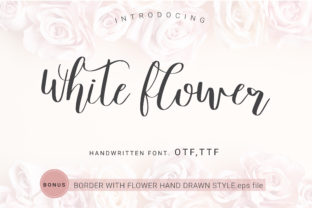
White Flower: A Handwritten Font That Elevates Design Workflows
Design is a process. It's not just about the final product—it's about how you get there, what tools you use, and how they fit into your creative rhythm. In the world of typography, the right font can make all the difference between a good design and a great one. White Flower is a handwritten font that brings a unique elegance to any project, offering both aesthetic appeal and functional versatility. Whether you're working on branding, invitations, or digital content, White Flower simplifies elegance into something truly remarkable.
What Is White Flower?
White Flower is a handcrafted typeface designed with a focus on natural flow and visual harmony. Its soft, flowing lines and subtle variations give it a personal touch that feels authentic and refined. Unlike many digital fonts that mimic handwriting through algorithms, White Flower is created by a real person, capturing the nuances of a handwritten style with precision and care.
This font is ideal for those who want to add a touch of warmth and personality to their designs without sacrificing clarity or professionalism. It’s not just a decorative choice—it’s a tool that enhances communication, making text more approachable and engaging.
Where Does White Flower Fit in the Design Process?
The design process is often a blend of planning, creativity, and execution. White Flower can be integrated at multiple stages, depending on your needs and goals. Here are some key moments where it shines:
- During Concept Development: Use White Flower to sketch out ideas or create mood boards. Its organic feel helps convey a sense of intimacy and authenticity.
- In Branding: The font adds a human element to logos, taglines, and other brand assets, helping to build emotional connections with audiences.
- For Invitations and Wedding Designs: White Flower brings a timeless elegance to event-related materials, from save-the-dates to seating charts.
- In Digital Content Creation: Whether it's social media posts, blog headers, or email signatures, this font adds a personal touch that stands out in a sea of generic designs.
- As a Signature or Label: Use it for personal branding, company labels, or product packaging to create a memorable visual identity.
By choosing White Flower, you’re not just selecting a font—you’re enhancing the entire experience of your design work.
How to Integrate White Flower Into Your Workflow
Integrating a new font like White Flower into your workflow requires thoughtful planning and consideration of how it interacts with your existing tools and processes. Here are some practical tips to help you do so smoothly:
1. Choose the Right Platform: Make sure the font supports the platforms and applications you use most frequently. Most modern design software, including Adobe Creative Suite, Canva, and Figma, offer font compatibility, but it’s always worth checking before purchase.
2. Test Across Media: Before committing to a full project, test how the font looks in different formats—print, web, and mobile. This ensures consistency across all mediums and avoids unexpected issues.
3. Pair Thoughtfully: While White Flower is beautiful on its own, pairing it with complementary fonts can enhance readability and visual balance. Consider using a sans-serif font for body text and reserve White Flower for headings or accents.
4. Organize Your Assets: Keep your fonts organized in a dedicated folder or design library. This makes it easier to access them during future projects and helps maintain consistency across your work.
5. Use It Strategically: Not every project needs a handwritten font. Save White Flower for moments where its charm and elegance will have the most impact. Use it to highlight key messages, create a signature style, or add a personal touch to otherwise formal designs.
Workflow Examples: Real-World Applications
To better understand how White Flower can fit into your workflow, let’s look at a few real-world examples:
Branding Project
When designing a brand identity, White Flower can serve as the foundation for the logo, tagline, and other visual elements. Its elegant yet approachable style helps communicate the brand’s values and personality. For instance, a boutique florist might use the font in their logo to evoke a sense of beauty and craftsmanship, while a wellness brand could use it to create a calming, personal vibe.
Wedding Invitations
Wedding invitations are a perfect opportunity to showcase the beauty of White Flower. The font’s delicate curves and natural flow complement the romantic and intimate nature of the occasion. When paired with elegant layouts and high-quality paper, it creates an unforgettable first impression for guests.
Digital Marketing Campaigns
In digital marketing, White Flower can be used to stand out in a crowded online space. Whether it's a social media header, a newsletter title, or a call-to-action button, the font adds a human element that can increase engagement and trust. It works especially well in content that aims to be both professional and personable.
Personal Projects
For hobbyists, freelancers, or educators, White Flower can be a valuable asset in personal projects. From creating custom book covers to designing printable templates, the font offers a level of customization that can elevate even the simplest of tasks.
Factors to Consider When Using White Flower
Before incorporating White Flower into your design routine, consider the following factors to ensure it aligns with your goals and workflow:
- Preparation: Understand how the font will be used in different contexts and prepare accordingly. Will it be used in print? On the web? Both?
- Compatibility: Ensure the font works with your preferred design tools and file formats. Some fonts may require additional steps for web use, such as generating web-safe versions or embedding them properly.
- Usability: Test the font in various sizes and colors to see how it performs. A font that looks great at 100pt may not be readable at smaller sizes.
- Organization: Keep track of which fonts you use for which projects. This helps maintain consistency and makes it easier to revisit past work.
- Efficiency: Don’t overuse the font. Use it strategically to avoid diluting its impact and to keep your design language cohesive.
- Consistency: Apply the font consistently across all related materials to reinforce brand identity and user recognition.
- Quality Control: Always review your work before finalizing. A font that looks great in isolation may not perform as well in context.
- Long-Term Use: Think about how the font will evolve with your brand or project. Will it remain relevant in the future, or should you plan for updates or replacements?
By considering these factors, you can ensure that White Flower becomes a reliable and valuable part of your design toolkit.
Conclusion
White Flower is more than just a font—it’s a design tool that can enhance your workflow, elevate your projects, and connect with your audience on a deeper level. Whether you're a professional designer, a small business owner, or a creative hobbyist, integrating this font into your routine can bring a new level of elegance and personalization to your work.