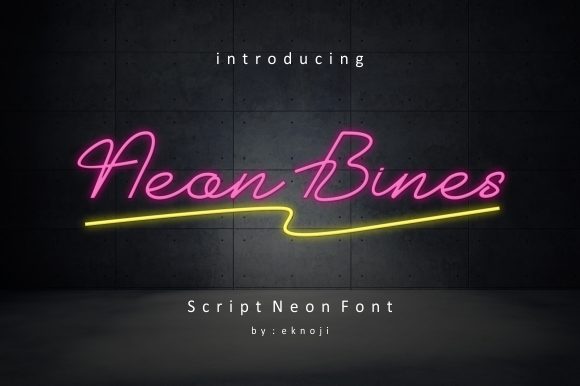
Neon Bines: A Flowing and Sweet Handwritten Font for Creative Expression
Neon Bines is more than just a font—it’s a visual language that brings creativity to life. With its flowing, handwritten style and sweet, inviting aesthetic, Neon Bines has become a favorite among designers, bloggers, and content creators looking to add personality and warmth to their work. Whether you're crafting social media posts, designing logos, or building brand assets, understanding how to use Neon Bines effectively can make all the difference in how your message is received.
Why Neon Bines Stands Out
What makes Neon Bines unique is its ability to blend elegance with playfulness. The font’s soft curves and gentle strokes give it a hand-drawn feel that feels personal and approachable. It’s ideal for projects that require a friendly tone, such as invitations, greeting cards, or branding materials aimed at younger audiences or creative communities.
But like any design tool, Neon Bines isn’t without its challenges. Misunderstandings about its versatility, limitations, and best practices can lead to less-than-ideal results. Let’s explore some common mistakes people make when using this font and how to avoid them.
Common Mistakes When Using Neon Bines
- Misusing it for formal contexts: Neon Bines is not designed for professional or corporate settings. Its playful nature may clash with the seriousness of business documents, presentations, or legal materials.
- Overlooking font pairing: While Neon Bines is visually striking on its own, using it without complementary fonts can result in cluttered designs or poor readability.
- Ignoring file format compatibility: Not all platforms support the same font formats, which can lead to unexpected rendering issues when sharing or printing.
- Failing to check licensing: Some versions of Neon Bines are free to use, while others require purchase or subscription. Understanding the terms of use is essential to avoid legal complications.
- Not testing across devices: How Neon Bines appears on one screen might look different on another, especially when viewed on mobile or high-resolution displays.
How These Mistakes Affect Your Work
Using Neon Bines incorrectly can impact your project in several ways. For instance, applying it to a professional document may create confusion or reduce credibility. Poor font pairing can make your design appear unprofessional or chaotic. Compatibility issues may cause your text to render incorrectly, leading to frustration for your audience.
Additionally, unclear licensing can lead to copyright violations, which can be costly and damaging to your reputation. Testing your design across multiple devices ensures that your message is consistent and clear, regardless of where it's viewed.
Practical Advice for Using Neon Bines Correctly
To get the most out of Neon Bines, consider these tips:
- Use it intentionally: Save Neon Bines for creative projects where its charm and personality will enhance the message rather than distract from it.
- Pair it wisely: Combine Neon Bines with a clean, sans-serif font for headings or titles to maintain balance and readability.
- Check licensing details: Always review the font’s license agreement to understand what you can and cannot do with it. Free fonts often have restrictions on commercial use.
- Test your design: Preview your work on different devices and platforms to ensure consistency and clarity.
- Consider alternatives: If Neon Bines doesn’t fit your project, look for similar fonts that offer the same aesthetic but are better suited to your needs.
Realistic Examples and Better Approaches
Imagine you’re creating a social media post for a boutique store selling handmade crafts. Using Neon Bines for the headline could draw attention and reflect the brand’s creative spirit. However, if you use the same font for the body text, it might be difficult to read, especially on smaller screens.
A better approach would be to use Neon Bines for the title and a legible serif or sans-serif font for the body. This creates a visually appealing contrast while maintaining readability.
Another example is a wedding invitation. Neon Bines can add a whimsical touch to the main message, but pairing it with a classic script font for the address or details ensures clarity and professionalism.
What to Check Before Using Neon Bines
Before incorporating Neon Bines into your project, ask yourself these questions:
- Is the font appropriate for the intended audience and purpose?
- Do I have the right license to use it in my project?
- Will the font render correctly on all platforms and devices?
- Does it complement the other elements of my design?
- Am I using it in a way that enhances, rather than detracts from, my message?
By carefully considering these factors, you’ll be able to make informed decisions that align with your goals and improve the overall quality of your work.
Final Thoughts on Neon Bines
Neon Bines is a powerful tool for those who want to infuse their designs with warmth, creativity, and personality. However, like any design asset, it requires thoughtful application. By avoiding common pitfalls and making intentional choices, you can harness its full potential and create compelling, effective designs that resonate with your audience.