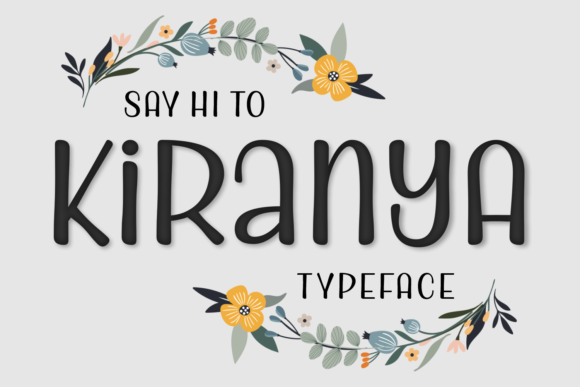
Kiranya: A Handwritten Font for Strategic Communication and Creative Expression
Kiranya is more than just a font—it’s a design choice that can influence how your message is perceived, understood, and remembered. As a sweet handwritten font, Kiranya carries a unique charm that balances approachability with professionalism. Its casual yet refined appearance makes it ideal for a wide range of applications, from branding to content creation. But its strategic value lies not only in its aesthetic appeal but also in how it supports clear communication, brand identity, and creative expression.
Why Kiranya Matters in Strategic Design
In today’s fast-paced digital landscape, the visual elements we use play a critical role in shaping user experience and brand perception. Kiranya stands out because it combines the warmth of handwritten typography with the clarity needed for effective communication. This duality makes it particularly useful for professionals who need to convey both personality and professionalism in their work.
For entrepreneurs and marketers, Kiranya offers a way to humanize their brand without sacrificing readability. It can be used to create a sense of authenticity and approachability, which are essential for building trust with audiences. In an environment where brands often compete for attention, having a distinctive yet readable typeface like Kiranya can help differentiate your messaging from the noise.
Strategic Use Cases for Kiranya
The versatility of Kiranya means it can be strategically applied in various contexts. Here are some practical examples:
- Branding: Kiranya can serve as a signature font for logos, websites, or social media profiles, helping to establish a consistent and memorable brand identity.
- Marketing Materials: From email newsletters to print brochures, Kiranya adds a personal touch that can make your content feel more engaging and relatable.
- Content Creation: Bloggers, educators, and creators can use Kiranya to highlight key points, add visual interest, or enhance the readability of text on busy backgrounds.
- Product Packaging: For small businesses and artisans, Kiranya can elevate the look of product packaging, making it more appealing to consumers who value aesthetics and craftsmanship.
- Internal Communications: Teams and organizations can use Kiranya in internal documents, presentations, or signage to foster a more collaborative and creative atmosphere.
Each of these use cases demonstrates how Kiranya can support strategic goals such as increasing engagement, improving brand recognition, or enhancing user experience.
How to Approach Kiranya Thoughtfully
Using Kiranya effectively requires more than just selecting the right font—it involves thoughtful planning and intentional application. Before integrating Kiranya into your design strategy, consider the following:
- Define Your Purpose: Ask yourself what you want to achieve with Kiranya. Is it to build brand familiarity, enhance readability, or create a specific emotional response? Clarifying your goals will help you choose the right context for its use.
- Consider Your Audience: Think about who will be interacting with your content. Will they appreciate the casual charm of Kiranya, or might they prefer something more formal? Understanding your audience ensures your design choices align with their expectations.
- Test Different Applications: Experiment with how Kiranya looks in different environments—on dark backgrounds, against bright colors, or alongside other fonts. This helps identify potential issues with legibility or contrast.
- Balance with Other Elements: While Kiranya brings a unique character to your design, it should complement rather than overpower other visual components. Pair it with complementary fonts and design elements to maintain harmony.
- Plan for Long-Term Use: If you’re using Kiranya for branding or marketing, ensure it remains relevant over time. Avoid over-reliance on any single font, and consider how it fits into your broader design ecosystem.
By approaching Kiranya with intention, you can maximize its impact while minimizing the risk of misapplication. This thoughtful approach aligns with the principles of strategic design, where every decision contributes to a larger goal.
Practical Tips for Using Kiranya Effectively
To help you get started, here are some practical tips for incorporating Kiranya into your workflow:
- Use It Strategically: Reserve Kiranya for headlines, quotes, or key messages rather than large blocks of text. This preserves its readability while allowing it to make a strong visual statement.
- Pair It Wisely: Combine Kiranya with a clean, sans-serif font for body text to ensure overall readability. This pairing creates a balance between personality and professionalism.
- Optimize for Accessibility: Ensure that Kiranya is used in a way that doesn’t compromise accessibility. Test color contrast and font size to make sure your content is usable across all devices and platforms.
- Keep It Consistent: Maintain consistency in your use of Kiranya across all materials. This reinforces brand identity and builds familiarity with your audience.
- Monitor Feedback: Pay attention to how your audience responds to Kiranya. Their feedback can provide valuable insights into whether your design choices are resonating with them.
These strategies not only help you make better decisions about when and how to use Kiranya but also contribute to long-term success by ensuring your design choices are aligned with your goals and values.
Risks of Using Kiranya Without Clear Goals
While Kiranya has many strengths, it’s important to recognize the risks associated with using it without a clear plan or purpose. One of the biggest risks is overuse. If Kiranya is used too frequently or in inappropriate contexts, it can lose its impact and become less effective. This can lead to confusion or a lack of brand consistency.
Another risk is misalignment with audience expectations. If your target audience prefers more formal or structured typography, using Kiranya without considering this preference could result in a disconnect. Similarly, using Kiranya in contexts where clarity is paramount—such as legal documents or technical manuals—can reduce readability and effectiveness.
Finally, lack of planning can lead to wasted resources. Investing time and effort into designing with Kiranya without a clear strategy may result in outcomes that don’t meet your goals. This can be especially costly for small businesses or independent creators who have limited budgets and resources.
Building Long-Term Value with Kiranya
When used intentionally, Kiranya can contribute to long-term value in multiple ways. It can support brand consistency, enhance user experience, and improve communication efficiency. These benefits are particularly valuable for professionals who rely on clear and effective communication to achieve their objectives.
One of the most significant ways Kiranya adds long-term value is through brand differentiation. In a crowded market, having a distinctive visual identity can set you apart from competitors. Kiranya’s unique style allows you to create a brand that feels both personal and professional, which can help attract and retain customers.
Additionally, Kiranya can support creative expression and productivity. For writers, designers, and content creators, using Kiranya can inspire creativity and streamline the design process. Its versatility allows it to adapt to different projects and needs, making it a valuable tool in a designer’s toolkit.
Ultimately, the strategic use of Kiranya isn’t just about aesthetics—it’s about making informed decisions that align with your goals, values, and audience needs. By approaching it with intention, you can unlock its full potential and achieve meaningful results.