Kayleigh: A Handwritten Font for Creative and Professional Workflows
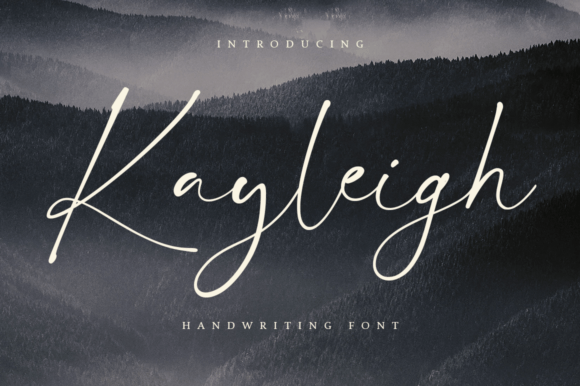
Kayleigh is a handwritten font that brings a natural, modern flow to any design project. Its elegant curves and soft strokes make it ideal for adding a personal touch to various creative outputs. Whether you're designing a logo, crafting an invitation, or creating content for social media, Kayleigh offers a versatile solution that balances aesthetics with functionality.
Understanding the Role of Kayleigh in Design Workflows
Fonts play a crucial role in how information is perceived and processed. In both professional and creative settings, typography can influence brand identity, user engagement, and overall visual appeal. Kayleigh stands out as a font that bridges the gap between traditional handwriting and digital design. It's not just about style—it's about communication.
For professionals like marketers, educators, and small business owners, choosing the right font can enhance the clarity and impact of their message. Kayleigh’s readability and elegance make it suitable for a wide range of applications, from product packaging to digital marketing assets. Its PUA encoding ensures that all glyphs and swashes are accessible, allowing for greater customization and flexibility.
Where Kayleigh Fits in the Creative Process
Kayleigh can be integrated at multiple stages of a project. During the planning phase, it can help set the tone for a brand or campaign by offering a visual representation of the desired aesthetic. For example, a wedding planner might use Kayleigh in concept sketches or mood boards to convey a romantic, handwritten feel.
During execution, the font can be applied to invitations, signage, or promotional materials. Its versatility makes it easy to incorporate into different formats, whether it's a print ad or a digital post. After the project is complete, Kayleigh can also serve as a signature element, reinforcing brand consistency across all touchpoints.
Integration with Other Tools and Resources
Kayleigh works seamlessly with a variety of design tools and platforms. Whether you're using Adobe Illustrator, Canva, or even Microsoft Word, the font’s compatibility ensures that it can be used without technical barriers. Its PUA encoding allows designers to access special characters and swashes, which can add unique flair to designs without compromising readability.
For users who rely on automation or templates, Kayleigh’s structure makes it easy to integrate into existing workflows. It’s particularly useful for those who create recurring content, such as newsletters, social media posts, or branding materials. By using Kayleigh consistently, creators can maintain a cohesive visual identity while saving time on font selection.
Practical Implementation Tips
- Choose the Right Context: Consider where Kayleigh will be used. It’s best suited for projects that require a personal or artistic touch, rather than formal documents or technical reports.
- Test Across Platforms: Ensure that the font renders correctly on different devices and platforms. Some systems may require additional steps to install or embed the font properly.
- Use with Care: While Kayleigh is elegant, it should be used judiciously to avoid overwhelming the reader. Balance it with more neutral fonts for headings or body text.
- Customize When Needed: Take advantage of the PUA encoding to access extended characters and swashes. This can help differentiate your work from competitors and add a unique visual element.
By integrating Kayleigh into your workflow, you’re not just selecting a font—you’re enhancing the emotional and visual impact of your work. It adds a layer of authenticity and warmth that can resonate with your audience.
Workflow Examples and Use Cases
Consider a scenario where a small business owner is launching a new line of handmade products. They might use Kayleigh for product packaging, social media headers, and promotional flyers. The font’s handwritten quality aligns with the brand’s artisanal image, helping to build trust and connection with customers.
Another example is a blogger who wants to add a personal touch to their website. Using Kayleigh for headings or call-to-action buttons can create a more inviting atmosphere, encouraging readers to engage further. The font’s modern flow complements digital layouts while maintaining a sense of approachability.
For educators, Kayleigh can be used in classroom materials, such as handouts or interactive lesson plans. Its readability and charm make it ideal for younger audiences, helping to keep learning materials engaging and visually appealing.
Factors to Consider When Using Kayleigh
When incorporating Kayleigh into your workflow, consider factors such as preparation, compatibility, and long-term use. Ensure that you have the necessary tools and resources to use the font effectively. Test its performance across different platforms and devices to avoid unexpected issues.
Consistency is key when using any font, especially in branding or marketing. If Kayleigh is used in one part of a project, it should be applied throughout to maintain visual harmony. This helps reinforce brand identity and ensures a seamless user experience.
Quality control is also important. While Kayleigh offers a wide range of characters and styles, it’s essential to review designs before finalizing them. This ensures that the font is used appropriately and enhances rather than detracts from the overall message.
Conclusion
Kayleigh is more than just a font—it’s a tool that can elevate your creative and professional workflows. Its natural flow and elegant design make it suitable for a wide range of applications, from logos and invitations to social media and product packaging. By understanding how to integrate Kayleigh into your routine, you can enhance the visual appeal and emotional impact of your work.
Whether you're a designer, marketer, educator, or entrepreneur, Kayleigh offers a unique opportunity to add a personal touch to your projects. With its PUA encoding and adaptability, it’s a valuable asset for anyone looking to create meaningful, visually compelling content.