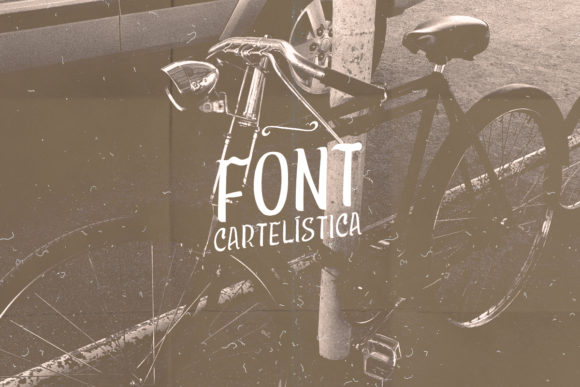
Cartelística: A Vintage-Style Handwritten Font for Creative Design
Cartelística is a handwritten font that brings a unique vintage charm to any design project. With its elegant and expressive strokes, it offers a distinctive visual identity that can elevate branding, invitations, logos, and more. This font is particularly appealing to designers who are looking for something beyond the standard sans-serif or serif fonts.
What Is Cartelística?
Cartelística is a handcrafted typeface designed with a nostalgic, handwritten feel. It combines elements of calligraphy and cursive, giving it a personal and artistic touch. The font's design is inspired by traditional lettering styles, making it ideal for projects that require a warm, authentic aesthetic.
The font’s character set includes uppercase and lowercase letters, numbers, and special characters, ensuring versatility across various applications. Its open and flowing structure allows for both readability and stylistic expression, making it suitable for both large headings and smaller body text.
Why Would Someone Be Interested in Cartelística?
Designers often seek fonts that can convey emotion or personality. Cartelística stands out because it adds a human element to otherwise digital designs. This makes it especially useful for creative fields such as wedding planning, where a personal touch is essential.
Additionally, the font’s vintage appeal can help create a sense of history or nostalgia in a brand’s visual identity. Whether used for a boutique store logo or a retro-themed website, Cartelística can contribute to an overall aesthetic that feels intentional and curated.
Benefits of Using Cartelística
One of the key benefits of Cartelística is its ability to stand out. In a world dominated by clean, modern fonts, this handwritten style offers a refreshing alternative. It can make a design feel more personal and less sterile.
Another advantage is its adaptability. While it may be most effective for headlines and titles, it can also be used in body text when paired with appropriate spacing and contrast. This flexibility makes it a valuable tool for a wide range of design tasks.
Furthermore, Cartelística can enhance the emotional tone of a design. Its organic curves and irregularities give it a sense of spontaneity and warmth, which can be especially powerful in marketing materials or event invitations.
Considerations and Tradeoffs
Despite its many strengths, Cartelística is not without its limitations. One important consideration is legibility. Because it is a handwritten font, it may not always be the best choice for long blocks of text. In such cases, it’s advisable to use it sparingly or pair it with a more readable font for body copy.
Another factor to keep in mind is the font’s intended use. While it excels in certain contexts, it may not be suitable for all design purposes. For example, a corporate logo might benefit from a more structured and professional font rather than a casual handwritten style.
Additionally, the availability of Cartelística across different platforms and software can vary. Designers should ensure that the font is properly licensed and compatible with their preferred tools before using it in a commercial project.
When Is Cartelística a Strong Fit?
Cartelística shines in situations where a personal and artistic touch is desired. It is particularly well-suited for:
- Wedding Invitations: The vintage and romantic feel of the font can complement the elegance of a wedding theme.
- Branding: It can add a unique character to a brand’s visual identity, especially for niche markets or lifestyle brands.
- Logos and Signatures: The handwritten style can help create a memorable and distinctive mark.
- Labels and Tags: It works well for product labels or tags that need to stand out visually.
- Artistic Projects: Whether it's a poster, flyer, or social media graphic, Cartelística can bring creativity to life.
When Might Alternatives Be Worth Considering?
While Cartelística has many strengths, there are scenarios where other fonts may be more appropriate. For instance:
- Corporate Branding: A more formal or structured font may be better suited for professional settings.
- Long Text Content: If the design requires extensive body text, a more readable font would be preferable.
- International Use: Some handwritten fonts may not support all languages or character sets, so it’s important to verify compatibility.
- Accessibility Needs: Fonts with high contrast and clear letterforms are often more accessible, especially for users with visual impairments.
Practical Decision-Making Insights
When deciding whether to use Cartelística, consider the following factors:
- Purpose: Does the font align with the intended message or mood of the design?
- Context: Will it be used for headings, body text, or decorative elements?
- Readability: Is the font easy to read at different sizes and on various backgrounds?
- Licensing: Is the font available under a license that allows for commercial use?
- Compatibility: Can the font be used across different platforms and software?
By carefully evaluating these aspects, designers can determine whether Cartelística is the right choice for their project or if another font might better suit their needs.