Love Language: A Timeless Handwritten Font for Creative Projects
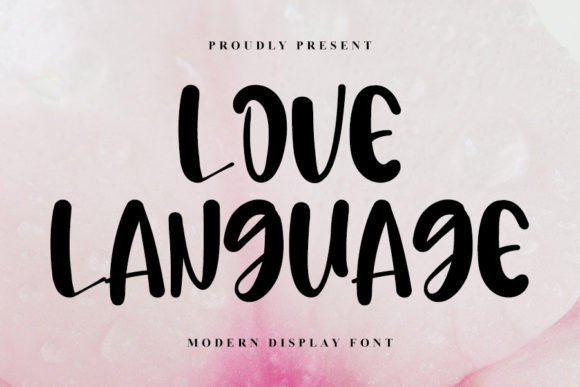
Love Language is a unique and elegant handwritten font that has captured the hearts of designers, artists, and creatives around the world. With its soft curves, flowing lines, and distinctive style, Love Language offers a visual expression that feels both personal and timeless. This font is not just a design tool—it’s an emotional experience, blending artistry with functionality to create designs that resonate deeply with audiences.
What Makes Love Language Stand Out?
At its core, Love Language is designed to evoke warmth, intimacy, and authenticity. Its handwriting-inspired aesthetic gives it a handcrafted feel, making it ideal for projects that require a touch of personality and charm. Unlike more rigid or formal fonts, Love Language invites a sense of connection and individuality, which can be especially powerful in branding, invitations, or artistic compositions.
The font's structure is carefully balanced between elegance and approachability. It features subtle variations in stroke weight and spacing that mimic the natural flow of handwriting, giving it a dynamic and expressive quality. This makes it particularly well-suited for creative applications where a human touch is essential.
Why Would Someone Be Interested in Love Language?
For many, the appeal of Love Language lies in its ability to convey emotion through design. Whether you're creating a wedding invitation, a greeting card, or a social media graphic, this font can help your message stand out in a meaningful way. Its distinctiveness allows it to make a strong visual impact without being overwhelming.
Additionally, Love Language is versatile enough to work across a variety of mediums. From print to digital, it maintains its character and readability, making it a reliable choice for both traditional and modern design projects. Its adaptability means it can fit into different styles, from vintage and romantic to minimalist and contemporary.
Another key reason people are drawn to Love Language is its emotional resonance. In an era where visual content often feels impersonal, this font offers a way to communicate with warmth and sincerity. It can help designers create messages that feel more personal and heartfelt, enhancing the overall impact of their work.
Benefits and Considerations
One of the most significant benefits of using Love Language is its ability to add a unique and memorable element to any design. It can elevate the aesthetic of a project and make it more engaging for viewers. For those who value creativity and individuality, this font can be a valuable asset in their design toolkit.
However, there are also considerations to keep in mind. Because of its handwritten nature, Love Language may not always be the best choice for professional or formal contexts. It can sometimes appear less structured or less legible in certain applications, particularly when used at smaller sizes or in environments with high contrast.
Additionally, while the font is visually appealing, it may not be suitable for all types of content. For example, it might not be the ideal choice for long-form text or technical documentation where clarity and consistency are paramount. In such cases, a more neutral or sans-serif font might be a better fit.
When Is Love Language a Strong Fit?
Love Language shines in situations where a personal and artistic touch is desired. It is particularly effective in creative fields such as graphic design, illustration, and branding. It works exceptionally well for projects like:
- Wedding invitations and stationery
- Artistic posters and promotional materials
- Personalized gifts and keepsakes
- Social media graphics and logos
- Storytelling and narrative-based visuals
In these scenarios, the font’s expressive qualities can enhance the overall message and create a stronger emotional connection with the audience.
When Might Alternatives Be Worth Considering?
While Love Language is undeniably beautiful, it may not always be the best option. For instance, in professional settings where clarity and professionalism are key, a more structured font like Helvetica or Arial might be more appropriate. Similarly, for large-scale print projects or digital interfaces that require consistent typography, a serif or sans-serif font could offer greater versatility and readability.
It’s also important to consider the target audience. If your design is intended for a younger demographic that values creativity and uniqueness, Love Language could be an excellent choice. However, if the audience is more formal or traditional, a more classic font might align better with their expectations.
How to Decide if Love Language Is Right for You
Ultimately, the decision to use Love Language depends on your specific goals and needs. Ask yourself the following questions:
- Does the font align with the tone and message of my project?
- Will it enhance the visual appeal without compromising readability?
- Is it suitable for the intended platform or medium?
- Does it reflect the personality or brand identity I want to convey?
If the answers lean toward yes, then Love Language could be a great addition to your design repertoire. However, if you’re unsure, experimenting with different fonts and testing them in various contexts can help you determine what works best for your specific needs.
By carefully evaluating your options and considering the strengths and limitations of Love Language, you can make an informed decision that supports your creative vision and meets your practical requirements.