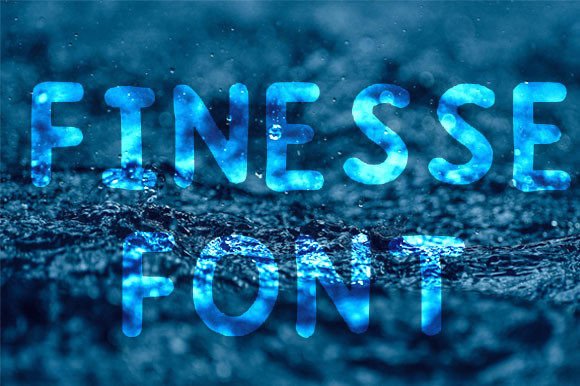
Finesse: A Handwritten Font That Adds Character and Charm
When it comes to typography, the right font can make all the difference in how a design is perceived. Finesse is a handwritten font that stands out for its unique style and versatility. Designed with a balance of elegance and personality, Finesse offers a fresh alternative to more traditional fonts. Whether you're working on a creative project, branding materials, or personal content, understanding what makes Finesse special—and when it might not be the best fit—can help you make informed design decisions.
What Makes Finesse Unique?
Finesse is more than just a handwriting-inspired font; it's a carefully crafted typeface that blends the organic feel of hand-drawn letters with a level of precision that ensures readability. Unlike some other handwritten fonts that can appear messy or inconsistent, Finesse maintains a clean structure while retaining the charm of a handwritten aesthetic.
One of the key features of Finesse is its fluidity. The strokes flow naturally from one letter to the next, creating a sense of movement and rhythm. This makes it particularly well-suited for use in headings, titles, and other elements where visual appeal is as important as legibility.
Another distinguishing factor is the font’s adaptability. While it has a distinct handwritten character, Finesse is designed to work across a wide range of applications—from digital content to print materials. Its balanced weight and consistent spacing ensure that it remains readable even at smaller sizes, making it a practical choice for various design contexts.
How Does Finesse Compare to Other Handwritten Fonts?
Handwritten fonts are a popular choice for designers looking to add a personal touch to their work. However, not all handwritten fonts are created equal. Finesse sits somewhere between the casual, informal styles and the more structured, professional ones.
For example, fonts like Script MT Bold or Brush Script MT are known for their bold, expressive strokes and are often used in logos and branding. These fonts tend to be more stylized and less refined, which can make them less suitable for formal or professional settings.
In contrast, Finesse offers a more refined approach. It doesn’t sacrifice readability for style, making it a better fit for body text or longer passages. This makes it ideal for use in newsletters, invitations, and other content where both aesthetics and clarity are important.
There are also more modern, geometric handwritten fonts available, such as Playfair Display or Raleway, which offer a contemporary twist on classic typefaces. While these fonts have their own strengths, they often lack the warm, handcrafted feel that Finesse provides.
Ultimately, the choice between Finesse and other handwritten fonts depends on the specific needs of your project. If you’re looking for something that feels personal yet professional, Finesse may be the right choice. However, if you need a more dramatic or stylized look, other options might be more appropriate.
Strengths and Limitations of Finesse
Like any font, Finesse has its strengths and limitations. Understanding these can help you decide whether it’s the best fit for your project.
Strengths:
- Readability: Despite its handwritten appearance, Finesse maintains good readability, especially at larger sizes.
- Adaptability: It works well in both digital and print formats, making it versatile for a variety of applications.
- Aesthetic Appeal: The font adds a touch of personality and warmth to any design without being too flashy.
- Consistency: Unlike some other handwritten fonts, Finesse offers a level of consistency in stroke weight and spacing.
Limitations:
- Formality: While Finesse is more refined than many other handwritten fonts, it still carries a certain level of informality that may not suit all contexts.
- Customization: Finesse is a fixed font and cannot be easily customized beyond its original design. This means it may not be suitable for projects requiring high levels of customization.
- Legibility at Small Sizes: Although Finesse is readable at most sizes, it may become less legible at very small sizes, especially when used in dense text blocks.
These factors should be considered when deciding whether to use Finesse in your design projects. For instance, if you’re creating a website or a digital publication, Finesse could be an excellent choice for headlines and subheadings. However, for body text, you may want to pair it with a more traditional serif or sans-serif font to maintain clarity.
When to Use Finesse and When to Choose Something Else
Finesse is best suited for projects where a touch of personality and warmth is desired without sacrificing readability. It works particularly well in the following scenarios:
- Branding Materials: Logos, business cards, and other branding elements can benefit from the elegant yet approachable style of Finesse.
- Invitations and Event Materials: Whether it’s for a wedding, party, or corporate event, Finesse adds a personal touch that feels inviting and memorable.
- Digital Content: Websites, social media posts, and email newsletters can use Finesse to highlight key messages or create a visually engaging experience.
- Print Publications: Magazines, brochures, and other printed materials can incorporate Finesse to enhance visual appeal while maintaining professionalism.
However, there are situations where Finesse may not be the best choice. For example:
- Formal Documents: In contexts where a more serious or professional tone is required, such as legal documents or academic papers, Finesse may be too informal.
- Long Text Blocks: Due to its handwritten nature, Finesse may not be ideal for large amounts of text where clarity and consistency are paramount.
- High Customization Needs: If your project requires extensive customization of the font’s appearance, Finesse may not offer the flexibility you need.
By evaluating your project’s goals and audience, you can determine whether Finesse is the right choice or if another font would better suit your needs.
Practical Examples of Finesse in Action
To better understand how Finesse can be applied in real-world scenarios, let’s consider a few examples:
Example 1: Website Headline
A small business owner wants to create a visually appealing website. They choose Finesse for the main headline to draw attention and convey a friendly, approachable brand image. The font adds a personal touch that aligns with the company’s values while remaining easy to read.
Example 2: Wedding Invitation
A couple designing their wedding invitation decides to use Finesse for the title and message. The font’s elegant, handwritten style gives the invitation a romantic and personalized feel, making it stand out from more generic designs.
Example 3: Social Media Post
A designer creates a social media post featuring a product launch. They use Finesse for the headline to capture attention and create a sense of excitement. The font complements the overall design and helps communicate the brand’s personality effectively.
These examples illustrate how Finesse can be used to enhance visual appeal while maintaining functionality and readability. By choosing the right font for the right context, you can create more engaging and effective designs.