Brief Font: A Versatile Choice for Modern Design
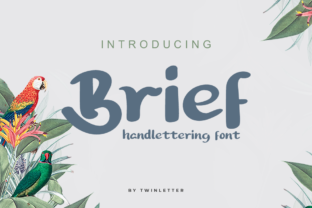
When it comes to typography, the right font can make all the difference. Brief is a bold handwritten font that stands out for its unique charm and practicality. Designed with care, Brief offers a casual yet professional look that feels approachable and readable. Whether you're crafting a headline or designing a layout, Brief has the versatility to fit into a wide range of contexts.
The Charm of Handwritten Typography
Handwritten fonts like Brief bring a personal touch to any design. Unlike rigid sans-serif or serif fonts, Brief’s handcrafted style adds warmth and character. This makes it especially appealing for creative projects where personality matters. Its informal tone is perfect for blogs, social media posts, and even print materials that aim to connect with audiences on a more human level.
Why Brief Matters for Designers and Creators
For professionals in marketing, branding, and content creation, Brief offers more than just visual appeal—it enhances communication. The font's readability ensures that your message remains clear, even when used in busy backgrounds or as part of a larger design. This makes it ideal for presentations, infographics, and digital assets where clarity and impact are key.
Enhancing Creativity and Expression
Brief encourages creativity by offering a flexible typographic solution. Its bold strokes and natural flow make it suitable for both large headlines and smaller body text. For designers looking to add a unique flair to their work, Brief provides an easy way to stand out without sacrificing legibility. It's particularly useful in projects where a hand-drawn aesthetic is desired but still needs to maintain professionalism.
Improving Communication Efficiency
One of the most valuable aspects of Brief is how it supports efficient communication. In today’s fast-paced world, time is a precious resource. Brief’s clean lines and straightforward design help convey messages quickly and effectively. This is especially beneficial for freelancers, educators, and small business owners who need to communicate clearly and concisely across various platforms.
Who Benefits Most from Using Brief?
Brief is not limited to any specific industry or audience. However, it may be most beneficial for those who value both aesthetics and functionality. Professionals in marketing, branding, and content creation often rely on typography to shape their brand identity. Brief’s versatility allows it to adapt to different needs, making it a great choice for anyone looking to enhance their visual storytelling.
Designers and Marketers
Designers and marketers can use Brief to create visually engaging content that resonates with their audience. Its bold nature makes it perfect for attention-grabbing headlines, while its readability ensures that the rest of the content remains accessible. This balance between style and substance is crucial in industries where first impressions matter.
Freelancers and Small Business Owners
For freelancers and small business owners, Brief offers a cost-effective and stylish solution. It can be used in branding materials, website headers, and promotional content without requiring a high-end design budget. Its adaptability means it can be applied across multiple channels, helping to maintain a consistent brand image.
Practical Use Cases for Brief
Understanding how Brief can be applied in real-world scenarios helps highlight its value. Here are a few examples of where this font shines:
- Social Media Posts: Brief’s casual charm makes it ideal for Instagram captions, Twitter updates, and Facebook banners. It adds a friendly and approachable feel to your online presence.
- Website Headers: When used as a header font, Brief draws attention and sets the tone for your site. Its boldness ensures it stands out, even on complex backgrounds.
- Print Materials: From flyers to brochures, Brief’s readability and visual appeal make it a great choice for printed content that needs to be both attractive and easy to read.
Considerations and Limitations
While Brief is a versatile font, it’s important to consider its limitations. Because it’s a handwritten font, it may not be suitable for all design contexts. For example, in situations where extreme readability is required—such as in long-form documents or technical manuals—other fonts may be more appropriate. Always test how Brief looks in different environments before finalizing your design.
How to Get Started with Brief
If you’re interested in using Brief, there are several ways to access it. Many font foundries offer it as a downloadable font, which can be used in design software like Adobe Illustrator, Photoshop, or Canva. Additionally, some online platforms provide free or premium versions of the font, depending on your needs. Be sure to check licensing agreements to ensure you’re using the font correctly.
Recommendations for Best Results
To get the most out of Brief, consider the following tips:
- Pair with Complementary Fonts: Use Brief as a headline font and pair it with a simpler body font for better contrast and readability.
- Test Different Sizes: Experiment with varying sizes to find the best balance between visibility and aesthetics.
- Use in Context: Always preview how Brief looks in your intended environment to ensure it meets your design goals.
Conclusion
In a world where design plays a critical role in communication, Brief offers a unique blend of style and function. Its bold, handwritten appearance brings personality to any project, while its readability ensures that your message remains clear and impactful. Whether you're a designer, marketer, or small business owner, Brief has the potential to elevate your work and make your voice heard.